Qualities of a Good Field Hockey Coach: Why Coaches Are the Most Important People in Your Club
Thomas Briels · 10 November 2026 · 5 min read
Co-founder of LEAD · Olympic gold medallist
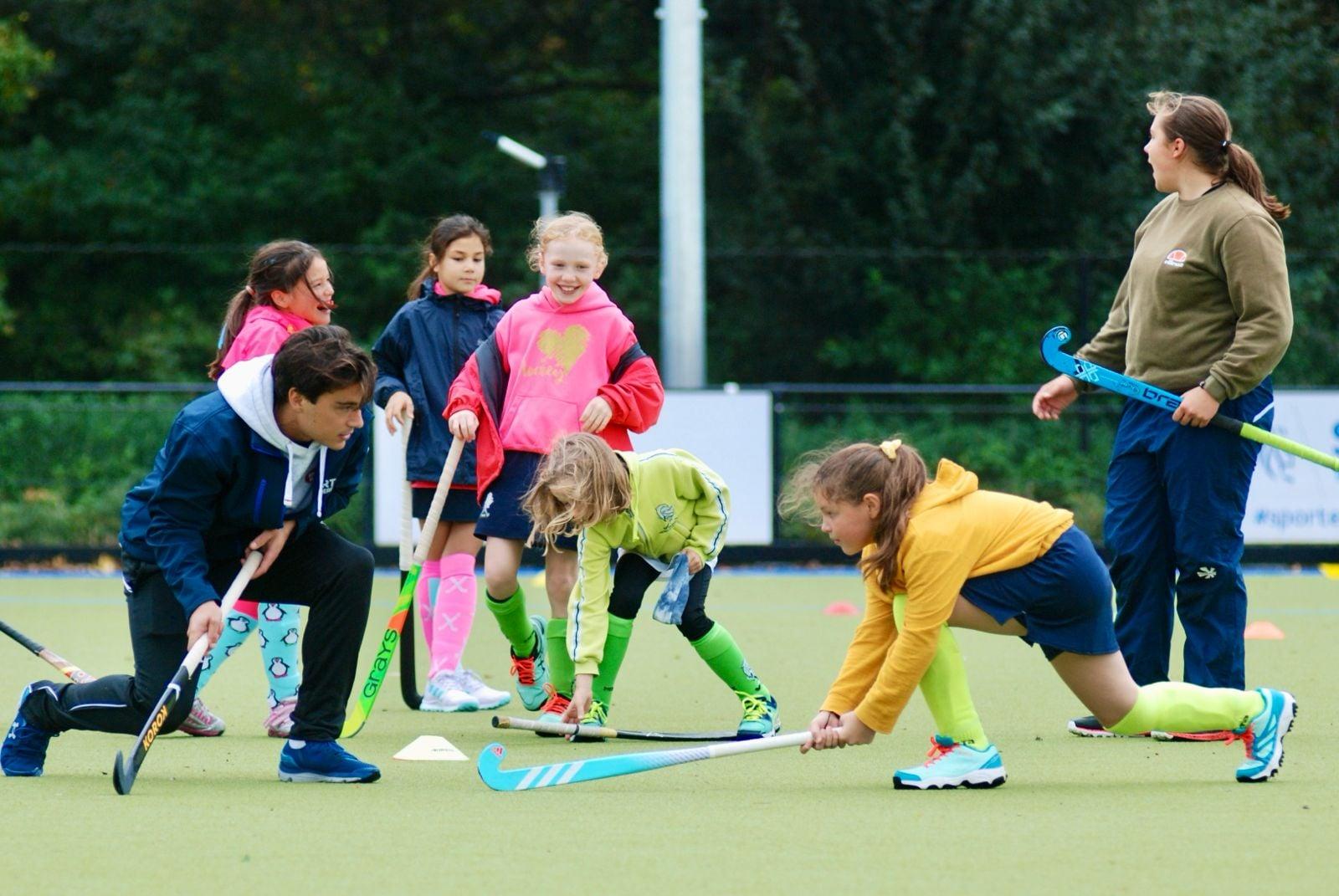
The chairman matters. The board matters. The sponsors matter.
But the most important people in a hockey club are the coaches. Not close. Clearly.
I know that is a bold statement. Here is why I believe it. (In Belgium and the Netherlands we say “trainer”. Here I say “coach”. Same person, same impact.)
Coaches build the next generation
Coaches are on the field every week. They train the young kids. Those kids grow up. Hopefully, some of them become the next generation of coaches.
So the logic is simple. The better the training kids get, the better hockey players they become. And the better hockey players become, the better coaches they will be later.
Now flip it. What if a coach cannot explain the right technique? Cannot correct it? Never had good training themselves? Does not know what a good session looks like, or how to build it up? Then the next generation starts behind. And the one after that.
No board decision changes that. Only the coach on the field does.
The qualities of a good field hockey coach
1. Flow and momentum
A good session has structure, and it keeps moving. Players are active. Nobody stands in a queue. The coach knows how to keep flow and momentum, because once you lose it, it is hard to get back.
2. Adaptability
Plans break. Fewer kids show up. The drill you prepared does not work with that number.
A good coach switches fast. Change the space. Change the numbers. Adjust the exercise until it runs.
The opposite problem is just as real. If the drill is too easy, the coach must add progression. Always ask: what is the next step? How do we build on this? How do we make it harder?
3. Handling different levels
Every team has strong and weaker players. The better ones need motivation and challenge. The weaker ones need real attention.
A good coach does both in the same session.
4. A sharp eye for technique
Especially with young players, the coach must recognise the right technique and correct it when needed. That takes repetition. Constant repetition. And it takes individual feedback, not only group instructions.
Two things I see all the time with young kids:
- They do not sit low enough. Bend the knees. Stay low in every movement.
- They stop halfway. Finish every movement.
And on the ball: keep the stick close to it. That way you can change direction at any moment. You can pass at any moment.
Fun comes first
The most important job of a coach is not technical. It is that kids have fun.
They need to enjoy it and come back to the next session happy. Every player needs to experience success, not just the best ones.
If a child loves training, the technique can be taught. If a child dreads it, you lose them.
Coaches teach life lessons
We are not only teaching hockey. As coaches, we also help players grow as people. How to deal with mistakes. How to take feedback. How to motivate each other, make each other better and help each other.
How to work together. How to lose. And how to stay humble when you win, with respect for the opponent and for each other.
Those lessons matter far beyond the field. Team sport also teaches discipline, motivation and perseverance. That is what makes sport so valuable. And the coach is the person who delivers it, week after week.
The coach who shaped me most was Shane McLeod. He coached me for six years with the Belgian national team. He taught me that culture, details and leading by example make a team. Doing the right thing, even when it's harder. Team first. I still live by it.
So how should clubs treat their coaches?
If coaches are the most important people in the club, act like it. Four things:
- Train them well. Do not just hand over a bag of balls.
- Give them the right tools. Ready-made sessions, drills and a clear plan for the season.
- Show appreciation. Most are volunteers. Say thank you and mean it.
- Give them freedom to grow. Let them try, learn and improve.
Also give every coach the same direction. Ten good coaches with ten different methods make ten separate teams under one logo. A shared club framework lets players build on last year, whoever their coach is.
How LEAD helps coaches and clubs
This is why we built LEAD: to help coaches and clubs with exactly these things. Coaches find 300+ drills, skills, tactics and expert videos to learn from and put their sessions together with the Drill & Session Builder. Clubs use the Season Engine to set out an age-appropriate, progressive plan for the season, so every coach works from the same direction and the same language.
A question about coaching, or about a plan for your club? Get in touch. We are happy to help.
Frequently asked questions
What makes a good field hockey coach?
A good field hockey coach keeps flow and momentum, adapts when plans change, handles different levels in one team and corrects technique with patience and repetition. Above all, they make sure players have fun and want to come back.
Why are coaches more important than the board?
Coaches train the players every week and shape the next generation of players and coaches. Boards set direction. Coaches deliver it on the field.
How can a club support its coaches?
Train them, give them the right tools, show appreciation and give them freedom to grow. A shared methodology and a season plan make that much easier.
See it in the product.
LEAD turns this thinking into a season, weekly focuses and sessions your coaches can run.